
Share This On


Asia Pacific Organic Seeds Market – Size, Outlook, Trends and Forecast (2024 – 2032)
Report ID
#5246
Report Type
Regional
Study Period
2018 - 2035
Base Year
2025
Expected CAGR
7%
Organic seeds used to grow organic grains, vegetables, fruits and it avoids the use of synthetic chemical fertilisers, pesticides, fungicides, and growth regulators. Instead of using chemicals, organic growers use mechanical means to remove weeds or pests. Organic Seed production uses only natural pesticides and fertilisers.
Asia-PacificOrganic Seeds market size is projected to reach X Billion by the end of 2024 with a CAGR of XX% during the forecast period. Key Parameters promoting the market growth include increasing natural food demand, raising awareness among consumers regarding health benefits from non-synthetic food, growing environmental concerns over conventional agricultural practices, the growing awareness regarding the negative health impact caused by utilising chemicals in agriculture. Government contribution in helping consumer’s understandability about false & legitimate products will propel the overall market growth. Organic food products will not utilise harmful chemical pesticides, insecticides, fertilisers, and herbicides during their production which drives the overall market growth from 2016 to 2024.
Asia Pacific Organic Seeds Market
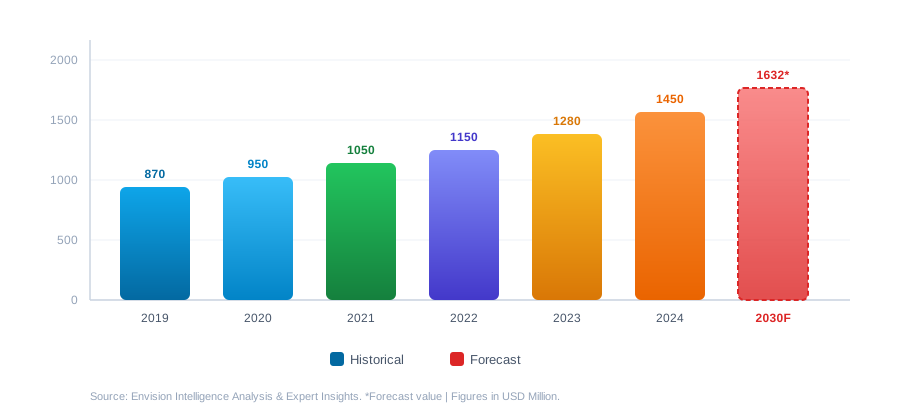
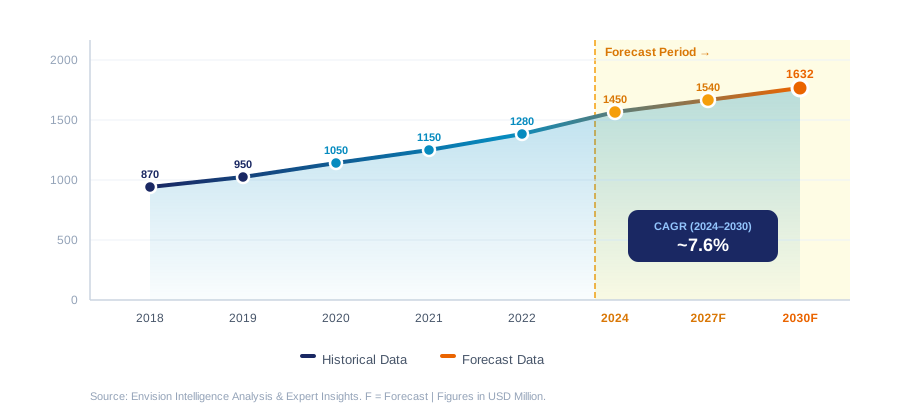
Expected CAGR
~7.6%
2026-2035
Shift in consumer preference from chemicals and genetically crops to naturally sourced products will have the highest demand in the organic seeds market. Rising awareness about health issues and increase fruit and nuts consumption will drive the industry growth for organic seeds market.
Asia-PacificOrganic SeedsMarket is classified by Crop, by Farm-Type, by Distribution Channel, by geography. By Crop,theOrganic Seeds market is classified as vegetable seeds, crop seeds, fruits and nut seeds, Oilseeds, and other vegetation like salad vegetable seeds. Vegetable seeds further classified as leafy & crucifier vegetable seeds and ground and vegetable seeds. High nutritional levels, easy digestion, higher anti-oxidant properties, and better performance encourages industry growth in vegetables including leafy & cruciferous and gourd & root. Vegetable seeds are accounted over 34% by the end of 2024. Crop seeds are further classified as wheat, rice, corn, barley, and oats. Fruits & nuts are further classified as pumpkin seeds, flax seeds, chia seeds, and thistle seeds. Oilseeds are further classified as soybean seeds and sunflower seeds. By Distribution channel, these are classified as wholesalers, retailers, and cooperatives. Wholesalers buy organic seeds from farmers in huge quantities, store in warehouses, and resell them to retailers. By Farm-Type, these are classified as indoor farms and outdoor farms. By Application, these are classified as agriculture and horticulture.
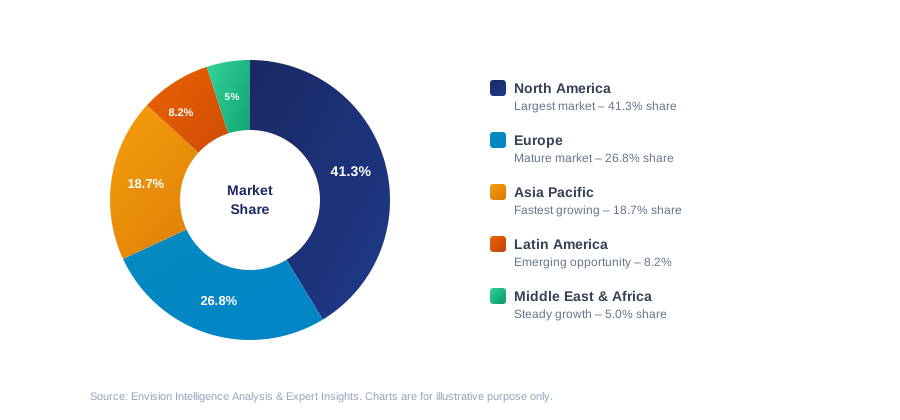
Asia-Pacific is expected to be the fastest growing region owing to growing demand, rising disposable income, growing health awareness and favourable regulatory framework in countries like China, India, and Japan.
Asia Pacific Organic Seeds Market
Asia Pacific Organic Seeds Market
Market Size Available | 2018 - 2035 |
Base Year | 2025 |
Forecast Period | 2026-2035 |
Historical Period | 2018-2025 |
Segments Analysed | By Type, Application, and Region |
Analyses Covered | Global, Regional & Country Level; Segment Analysis; Drivers, Restraints, Opportunities, Challenges; PESTLE; Porter's Five Forces; Competitive Landscape |
Regions Covered | North America · Europe · Asia Pacific · Latin America · Middle East & Africa |
Report Formats | Extensive Report (350 pages) | Snapshot Report (85 pages) |








Starting from $2700

Starting from $2160

Starting from $2700
Keep up-to-date with our weekly newsletter, Media Pulse.

Data-driven market insights & solutions


