
Share This On


Vertical Farming Market – Size, Share, Trends, Growth, Forecast (2024 – 2032)
Report ID
#7278
Report Type
Global
Study Period
2018 - 2035
Base Year
2025
Expected CAGR
7%
Vertical farming is a revolutionary approach to the food production and medicinal plants in vertically stacked layers such as in a skyscraper, used warehouse, or shipping container. It facilitates an enormous amount of nutritious and high-quality fresh food without relying on favorable weather, high water use, skilled labor and high fertility in soil. In addition, it ensures reliable crop yield and consistency year round along with climate control, and no effects of external environmental factors such as diseases, pests or predator attacks.
The global vertical farming market was valued at $XX Billion in 2018 and is estimated to reach $XX Billion by 2026, growing at a CAGR of around X.XX% during the forecast period. Major drivers for the growth of the market are high yield and several other benefits associated with vertical farming over conventional farming, advancements in light-emitting diode (LED) technology, year-round crop production irrespective of weather conditions, and requirement of minimum resources. However, the high initial investment and development phase of technologies obstruct the market growth. On the contrary, rise in urban population and surge in adoption of organic foods are expected to create lucrative opportunities in the near future.
Vertical Farming Market
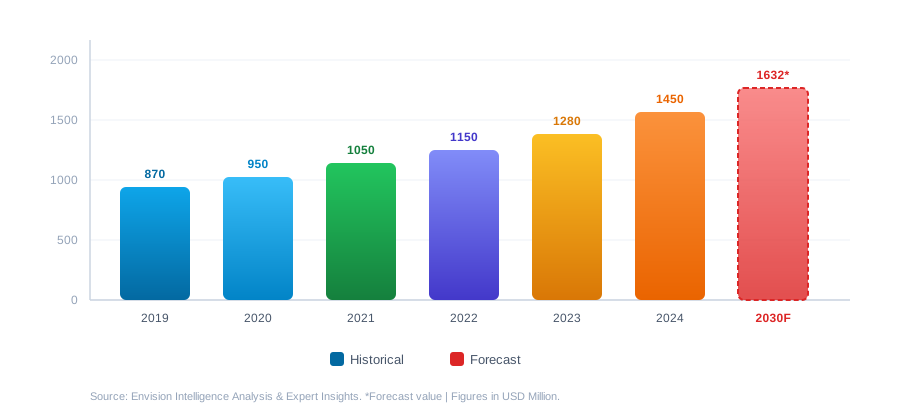
Expected CAGR
~7.6%
2026-2035
The global vertical farming market is segmented based on component, structure, growth mechanism, crop type, application, and geography. By mechanism, Hydroponics accounted for more than half the worldwide vertical farming market revenue in 2018 and is likely to grow at a significant rate in the coming years. Ease of operation and low installation cost makes it the most popular technique for medium to large scale farming. On the other hand, Aeroponics is gaining recognition as it provides superior quality of products with minimum utilization of soil & water resources during the process.
On the basis of structure, the market is bifurcated into building-based vertical farms and container-based vertical farms. The shipping container-based vertical farms segment is anticipated to register the fastest CAGR of X.XX% from 2019 to 2026. On the other hand, the building-based vertical farms segment dominated the market in 2018, contributing to nearly three-fifths of the total share.
Based on component, the global vertical farming market has been diversified into lighting, climate control, sensor, other hydroponic components.
Based on application, vertical farming is broadly classified into indoor and outdoor environment farming techniques. Indoor vertical farms are the largest application segment accounting for 3/4th of the total vertical farming market size in 2018, because it produces large quantities of fruits, vegetables, and fish in self-controlled environments inside used warehouses, parking spaces and freight or shipping containers. Moreover, this technique utilizes less water and delivers higher yields with least utilization of land in contrast to conventional farming methods.
By application, the Vertical Farming market was dominated by the food segment in 2018, owing to the wide application of hemp seeds and hemp seed oil, due to their rich vitamin, protein, and omega-3 fatty acid content. Hemp seeds are consumed raw or are being used as a topping in cereals, smoothies and yogurt. Rising consumer awareness regarding the benefits of consuming hemp-based products is driving the market for its application in food.
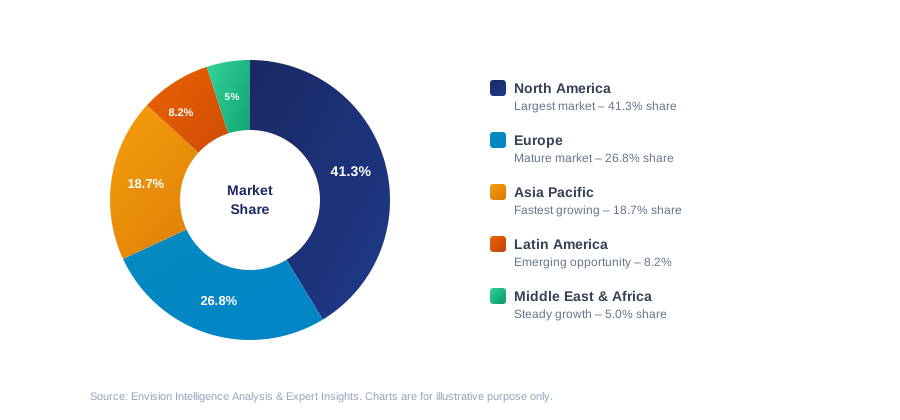
The global vertical farming market is analyzed across various regions such as North America, South America, Europe, Asia-Pacific, and MEA. North America dominated the global vertical farming market and is expected to continue its dominance owing to growing concerns toward food security and nutrition are expected to open a number of novel opportunities for the industry to prosper. U.S is anticipated to invest a significant share in facilitating the ecosystem for future foods. As more of the consumer insights develop toward “fresh-from-farm-to-table”, the availability of freshly harvested vegetables across retail outlets is likely to increase in the country. The growth of the vertical farming market in Europe is expected to be majorly driven by the rising food demand, urbanization, unfavorable weather conditions for conventional farming, urge to minimize the import of fresh produce, and the need for new productive farming activities.
Vertical Farming Market
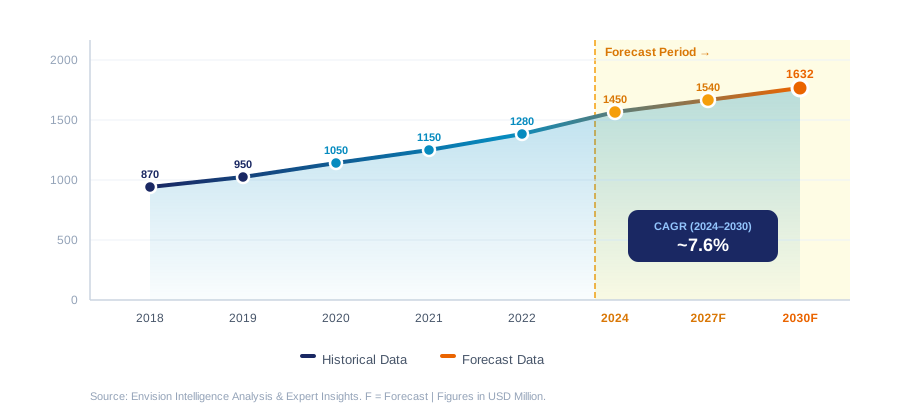
Along with these companies, there were many other companies considered/ cited in the report while analyzing the vertical farming market. These companies hold substantial share-owning to the nature of the industry whereas rest of the market shares are marginal chunks to regional and local level manufacturers. other players have considerable presence owing to its robust brand image, geographical reach, and strong customer base.
Vertical Farming Market
Market Size Available | 2018 - 2035 |
Base Year | 2025 |
Forecast Period | 2026-2035 |
Historical Period | 2018-2025 |
Segments Analysed | By Type, Application, and Region |
Analyses Covered | Global, Regional & Country Level; Segment Analysis; Drivers, Restraints, Opportunities, Challenges; PESTLE; Porter's Five Forces; Competitive Landscape |
Regions Covered | North America · Europe · Asia Pacific · Latin America · Middle East & Africa |
Report Formats | Extensive Report (350 pages) | Snapshot Report (85 pages) |








Starting from $2700

Starting from $2160

Starting from $2700
Keep up-to-date with our weekly newsletter, Media Pulse.

Data-driven market insights & solutions


